
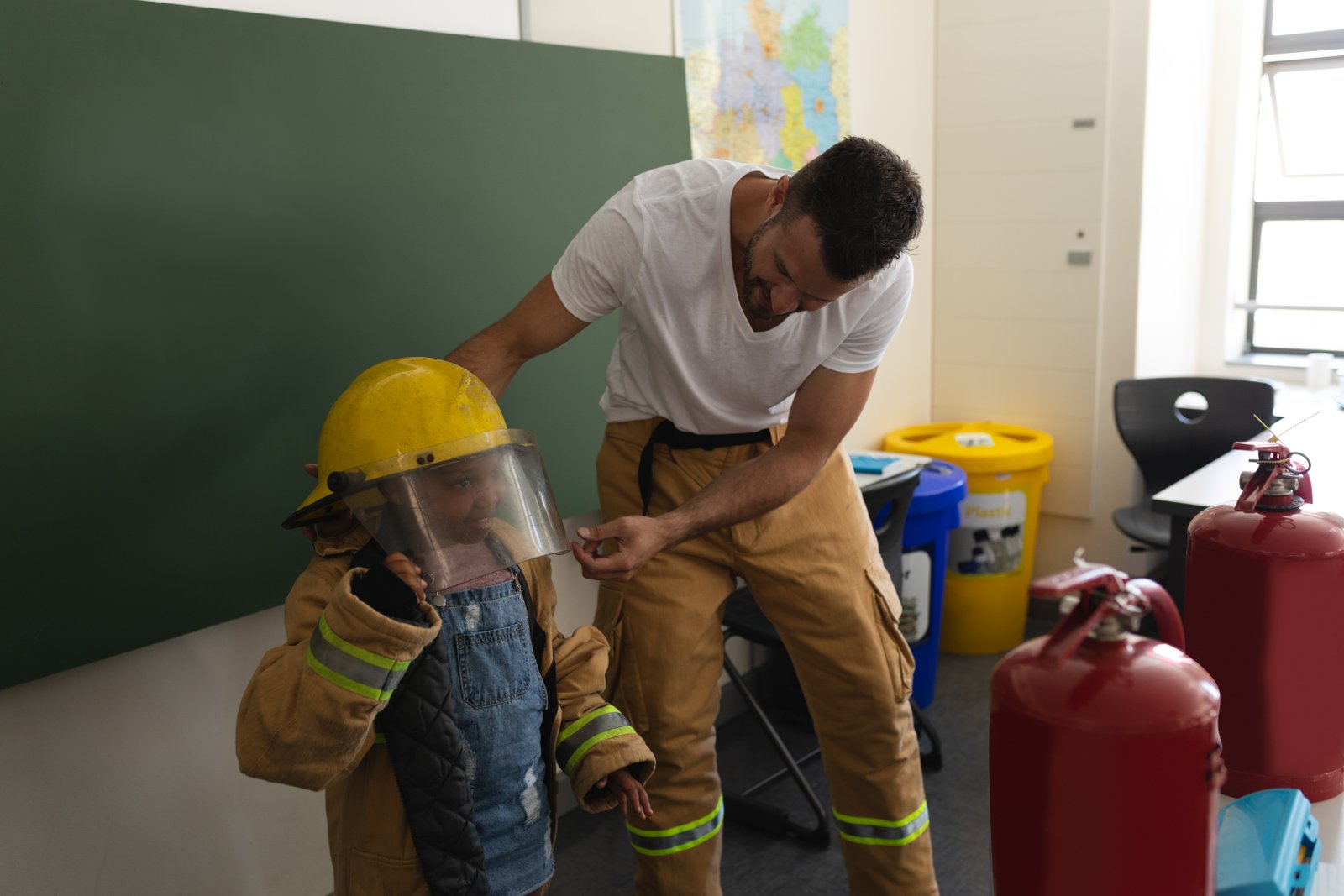
How Schools Can Conduct Effective Fire, Evacuation and Emergency Drills
 Shikha Agnihotri
A school day can go from happy classroom chatter to an unexpected emergency in seconds. A fire alarm, sudden earthquake or other safety threat can confuse students if they don’t know what to do. This is where routine emergency drills make a difference. They teach children and staff how to stay calm and move quickly to get to safety without panicking. After all, knowing the school timetable is important, but knowing the evacuation route is just as important.
Develop a Clear School Safety Policy
Every school should have a comprehensive safety policy that outlines how to handle different crises. It should include protocols for evacuation, emergency numbers, assembly points and teachers’ and support staff’s roles.
The safety policy in schools shall be communicated to all new students, visitors and non-teaching employees. Post emergency instructions in classrooms, hallways and other common areas.
Conduct Regular Fire Safety Drills
Students should be familiarised with the alarm sounds and evacuation procedures through periodic fire drills. Tell them to leave their belongings, avoid lifts, use the appropriate stairways and follow their teachers.
Staff should also be trained in the basic operation of fire extinguishers and alarm raising. But students should never be told to fight a fire themselves. Their main concern should always be to get to safety.
Make Evacuation Drills Realistic
Proper planning is essential for an effective evacuation drill. Schools should practise scenarios like blocked exits and situations where some staircases are out of use.
Teachers should lead students to the designated assembly point via clearly marked escape routes. Once outside, an immediate roll call must be taken to determine if anyone is missing.
Remember, shoving, running and yelling defeat the purpose of an evacuation drill. Moving calmly saves time and avoids injury.
Prepare for Various Emergencies
Fire isn’t the only emergency schools need to be ready for. Appropriate response plans for earthquakes, severe weather, medical emergencies and security threats are also in place.
Train separately for different scenarios. Give the correct actions beforehand. For example, earthquake drills should instruct students to Drop, Cover and Hold On. Staff should also know how to contact emergency services and offer basic first aid.
Review Each Drill and Make Improvements
Half the job is to finish a drill. Schools should assess how quickly everyone reacted, if evacuation routes were kept clear and if students followed instructions.
Solicit feedback from teachers and safety personnel. Note down the observations, point out the mistakes and rectify them before the next exercise.
Create a Culture of School Safety
Effective emergency preparedness needs consistency. Schools should conduct age-appropriate safety sessions, put up emergency instructions and regularly check alarms, extinguishers, exits and electrical installations.
School safety in India needs the active participation of school management, teachers, parents and students. A regularly reviewed school safety policy ensures that everyone knows what they need to do.
Make All Schools Safer with NCSS
A school that is prepared is a school that is safer. Trained staff, regular drills and clear emergency procedures can make all the difference in times when every second counts.
NCSS can provide professional guidance and support to help improve school safety practices because every child deserves a learning environment where safety comes first, always.