
School Safety Audit Checklist: What Should Schools Assess Every Year?
 Shikha Agnihotri
Every day begins with the same routine: the morning bell sounds, students talk in the halls, professors plan classes, and someone whines about not having their homework done. Ensuring the safety of every kid and staff member must always take precedence in all of these everyday activities. Everyday problems may escalate to major crises when things like a broken railing on the stairs, a fire extinguisher that has expired or an unclear path to safety become apparent. Because of this, every school should schedule a school safety audit once a year.
Fire Safety & Emergency Preparedness
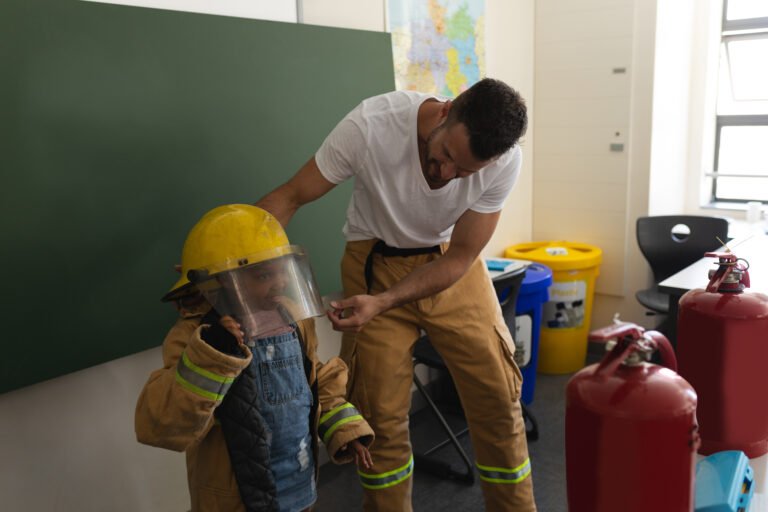
Every audit checklist needs to prioritise fire safety. Verify that all smoke detectors have been tested and are in good working order and that fire extinguishers are up-to-date. Clearly marked, unlocked and easily accessible emergency exits are a must. It is important to conduct fire drills on a regular basis to make sure that all campus personnel are prepared to handle a fire.
Infrastructure and Safety of the Classroom
Look for structural damage in classrooms, staircases, balconies, roofs, playgrounds and boundary walls. Search for cracked floors, exposed electrical wires, broken furniture and slippery surfaces.
Ensure that hallways are free of obstacles and that staircases have sturdy railings. You should also check the playground equipment for sharp edges, loose fittings and damaged surfaces.
Electrical and Hygiene Inspection
Faulty wiring, overloaded sockets and exposed cables can pose a serious hazard. Make sure electrical installations are checked by qualified people.
Check drinking water facilities, washrooms, kitchen areas and waste disposal arrangements. Clean surroundings, safe drinking water and functional sanitation facilities are critical to prevent infections and maintain student well-being.
Child Safeguarding and Safety Measures
Who comes on school grounds and how are visitors tracked? CCTV systems should be in operation in the appropriate common areas of all institutions, visitor registers, controlled points of entry and clear staff responsibilities.
A comprehensive safety policy in schools needs to include bullying, harassment, child protection, online safety and the procedures for reporting concerns.
Medical Facilities and Training of Staff
Check first aid kits for needed supplies and expiration dates. It is essential that schools maintain up-to-date emergency contact information, be familiar with the locations of nearby medical facilities and have a strategy to address unexpected accidents or illnesses. Training on first aid, emergency response and evacuation procedures should be provided to teachers and support staff.
Documentation, Compliance & Annual Certification
Keep track of inspections, maintenance, fire drills, staff training and corrective actions. Check the state laws and the requirements of the CBSE or other appropriate board.
Awareness of the school safety certification benefits allows institutions to grasp the importance of documented compliance, systematic risk assessment and increased confidence among parents and stakeholders.
Make School Safety a Priority Year-Round
An annual audit is a starting point, not an annual ritual. Schools should act quickly to deal with identified risks and review their safety policy in schools regularly.
Team up with NCSS to make school safety a priority. Take action to create a safer learning space where children can focus on education and parents can rest assured of their safety.