What Happens During a School Safety Certification Assessment?
 Shikha Agnihotri
School is full of little adventures. The children experience something new every day, from the morning assembly to the lunch breaks. But while students fret over homework, exams and who gets the last samosa in the canteen, school management has a much bigger responsibility: their safety.
Are the classrooms safe? Can teachers respond to an emergency? Are fire exits available? These questions deserve genuine answers. School safety certification assessments help schools to review their safety arrangements, identify risks they didn’t know existed and understand where improvements are needed.
Paperwork First
Assessors will review the school’s safety documents and policies before coming to look at the campus. These could be fire safety certificates, building safety records, child protection policies, emergency response plans, staff verification records and visitor management procedures.
The aim is to see if the school is following the applicable safety requirements and proper documentation. It’s great to have a safety policy in a file, but it’s knowing how to implement it that matters.
Looking at Every Corner of the Campus
Then the physical examination. Assessors visit classrooms, laboratories, libraries, playgrounds, corridors, staircases, washrooms and kitchens.
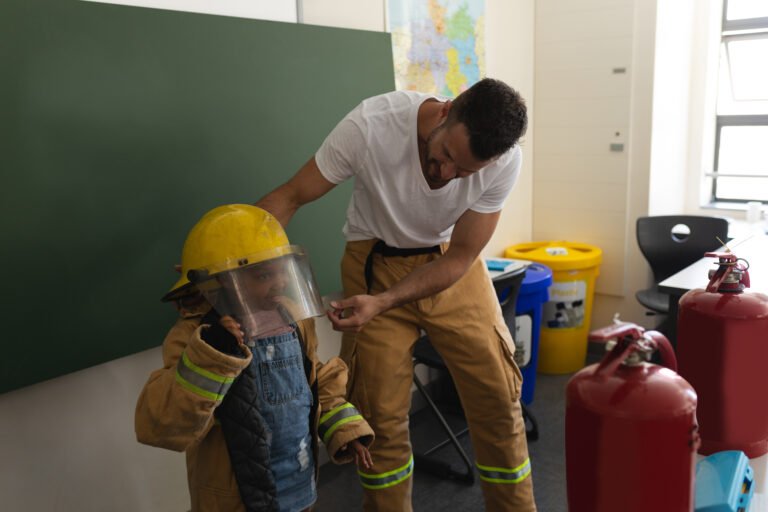
They inspect fire extinguishers, electrical fittings, emergency exits, first aid facilities, drinking water arrangements, boundary walls and general maintenance. Possible risks such as wet floors, broken furniture or exposed wires are also identified.
Are Teachers and Staff Ready?
The safety of schools largely depends on the people’s response to unexpected situations. Assessors consider staff training, procedures for checking people’s backgrounds, arrangements for supervising students and practices for protecting children.
They also look at how the school handles complaints, bullying, inappropriate behaviour and other issues that students might raise. Teachers and support staff need to know what their duties are and who to turn to if something goes wrong.
Emergency Drills Test Readiness
You’re asking where the stairs are, and the fire alarm is going off? That’s why emergency preparedness is so high on the agenda.
Assessors will look at fire and evacuation plans, records of mock drills, first aid arrangements and disaster management procedures. They may also watch evacuation drills to see if students and staff can calmly follow directions and get to designated assembly points.
Look Beyond Physical Safety
Kids have to be protected from bullying, online dangers and emotional distress as well. So assessors look at the school’s cyber safety practices, counselling arrangements, complaint reporting systems and measures for preventing harassment. A supportive environment gives kids the courage to speak up without fear or embarrassment.
The Assessment Report and the Path Forward
When the inspections and document reviews are finished, the assessors compile a report that identifies compliance, deficiencies and areas for improvement. Schools are provided with recommendations and, depending on the framework that applies, may be required to take corrective action before they receive certification.
Professional school safety advisory services can assist institutions in interpreting these findings and improving their safety measures.
Build a Safer School with NCSS
School safety needs ongoing attention, responsible management and practical action. NCSS provides assessment, guidance and certification support to educational institutions to improve safety practices. Consult NCSS for school safety advisory services and begin your journey to a safer campus.