
How Schools Can Identify and Manage Safety Risks Before an Incident Occurs
 Shikha Agnihotri
The school day begins with the usual sounds of the morning bell, the scurry of feet, children talking in hallways and teachers preparing for another busy day. But in the midst of all this happy bustle, a loose stair railing, an unescorted visitor, or a choked emergency exit could quietly become a serious safety concern. The hard part? Accidents usually come with little warning, but many dangers give clues long before something goes wrong.
The real challenge for schools is to recognise these clues, to act quickly and to create an environment where safety is everyone’s responsibility.
Don’t Just Stick To Routine School Inspections
Some hazards will not be obvious on a quick walk around the site. Classrooms, laboratories, playgrounds, washrooms, staircases, electrical fittings and school transport need to be regularly inspected thoroughly for safety.
Teachers and maintenance staff should report small concerns such as slippery floors, damaged furniture or exposed wires. After all, a small repair now could save a big headache later.
Create a Strong Safety Policy for Schools
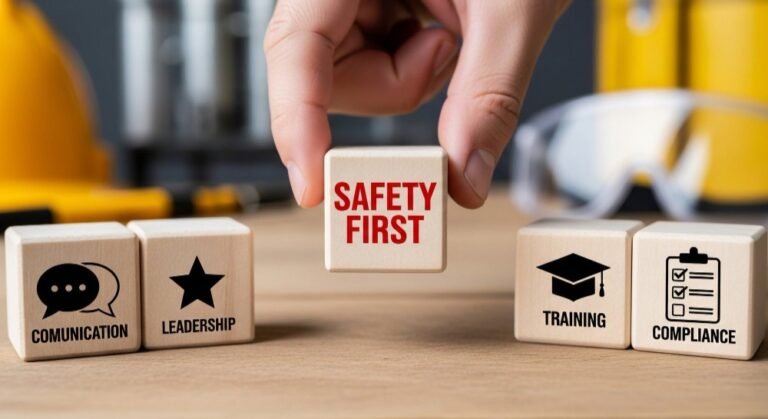
A well-defined safety policy in schools gives everyone clear guidelines on how to avoid and respond to possible dangers. Fire safety, visitor management, student supervision, transport arrangements, emergency communication and evacuation procedures should be covered.
But a policy cannot be just another document gathering dust in the principal’s office. Staff need to know their roles, parents need to know the procedures, and students need to know what is appropriate for their age in an effort to keep them safe.
Train Employees to Spot Warning Signs
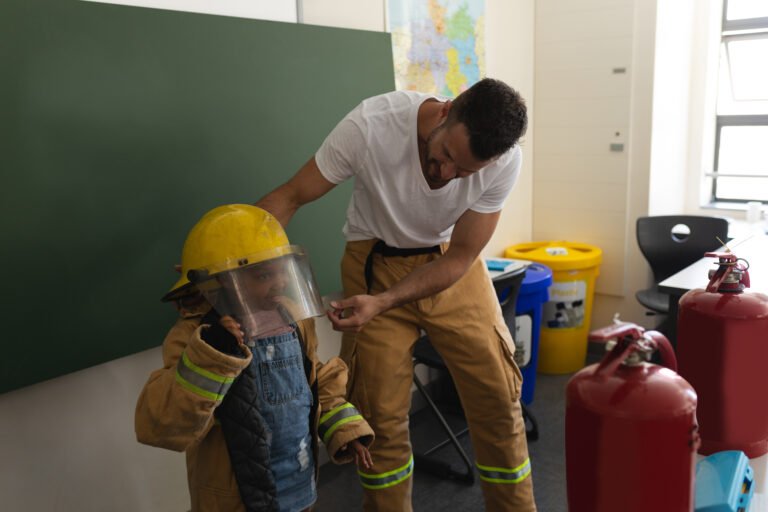
It is fairly uncommon for teachers to be the first to discover concerning conduct, hazardous environments or other issues that need intervention. Bullying, suspicious behaviour, overcrowding and medical issues are among the dangers that they are often taught to recognise. Regularly practice fire extinguishers, escape routes and first aid procedures.
Evaluate Risks Before They Escalate
Accurate documentation of detected dangers, their probability, possible effect and remedial measures should be kept in a school risk record. Instead of waiting for complaints, management may prioritise problems by regularly reviewing this information.
Understand the School Safety Certification Benefits
Following set safety standards forces schools to review their current protocols, identify gaps and increase accountability. School safety certification benefits include higher parent confidence, formal safety procedures and improved institutional preparedness.
Real implementation, frequent evaluations and continual improvement should support certification. While a certificate won’t make you more careful than you already are, it will encourage you to be more methodical.
Make Safety a Regular Discussion
Recognise the value of honest dialogue amongst the many stakeholders (including kids, teachers, parents and support staff). Ongoing discussions, anonymous feedback mechanisms and safety committees might help identify problems that routine inspections might miss. Ensuring a safe school climate demands unwavering commitment, not just passing reminders now and again.
Make Your School Safer with NCSS
The chance to study in a secure setting should be available to all children. If you are interested in working with NCSS to make your school safer and more equipped to educate your students, we are here to help. Go ahead and start managing risks proactively. Ensure the safety of your students at all times by becoming a member of NCSS now.